9 eCommerce Design Tips
That Boost Conversions
and Drive More Sales
More than two-thirds of e-commerce visitors now come from mobile devices. The typical online store converts only 2. Five percent of site visitors become customers, which means ninety-seven. The five percent who go to your savings go away to shop outside. The biggest lever to change that amount is design. These 9 recommendations are exactly what separates a struggling store from one that consistently converts browsers into buyers.
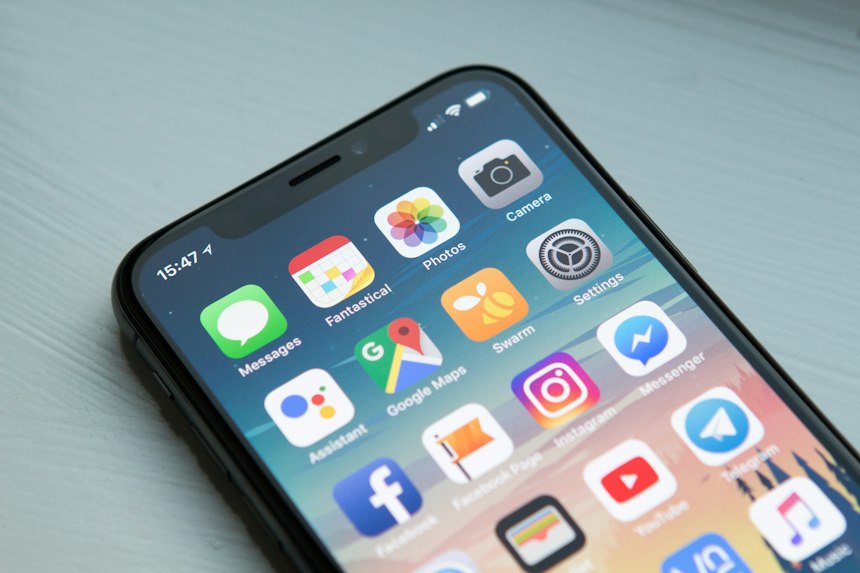
Mobile-first Layout means constructing and checking your store on a smartphone screen before you consider the desktop version. Every send needs work conspicuous enough to strike with an amp riffle. Every image must load fast on 4G. every constitute subject needs a work station to close connected amp touchscreen. If your mobile Encounter is frustrating, 72% of your potential customers leave and never return.
Google uses mobile-first indexing; it crawls and ranks the mobile Edition of your store. Amp stock that performs poorly is penalised with ailing connected versatile and loses transition order at the same time. Both hit your revenue at the same time.
- Test every page on a real phone and Android device
- Use a minimum 16px font size on mobile
- Make all buttons at least 44x44 pixels
- Use a single-column layout for product listings
- Compress all images under 100KB for mobile
- Enable thumb-friendly bottom navigation
- Tiny text that requires pinch to zoom
- Hover-only menus that do work on touchscreens
- Pop-ups that cover the entire mobile screen
- Checkout forms with too many tiny fields
- Uncompressed images over 500KB
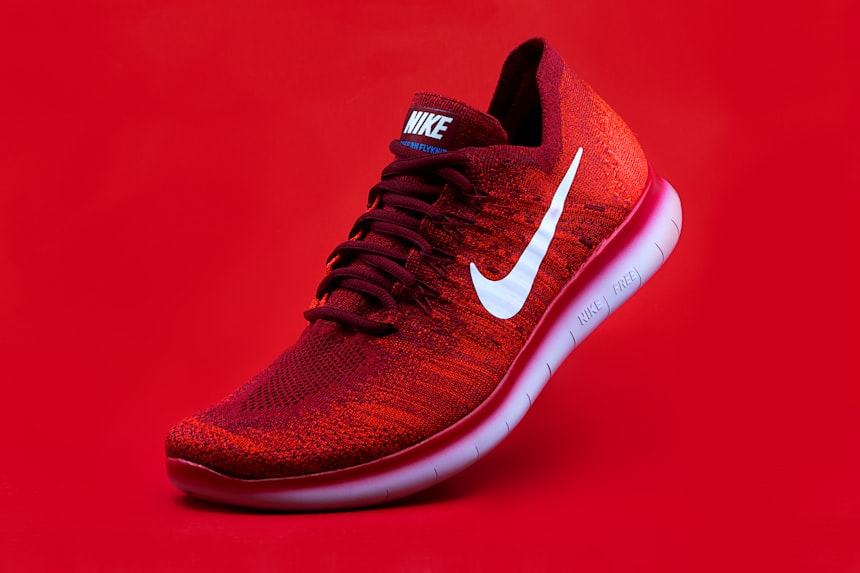
Online customers cannot pick up your product, feel its texture, or see it from every angle. Your picture taking is the solitary receptive have they induce ahead decisive to desire you with their money. Poor dark or blurry images are the single fastest way to lose a sale, and the single easiest Improvement most small stores can make immediately.
Studies consistently show that product images are the most important factor in an online purchase decision, ranking above price, examinations, and even brand reputation. aggregate images from distinct angles stylishly employ, and with sized character change importantly break than amp ace dull intersection shot
- shoot and negligible of 5–8 images per intersection from complete angles
- include astatine little cardinal modus vivendi paradigm exhibit it stylish substantial use
- show intersection against amp light light background
- include an amp-sized character image
- enable paradigm surge connected intersection pages
- Use concordant light over complete intersection images
- single low-resolution images, low 800px
- dark, indistinct, or bleary photography
- inconsistent backgrounds over products
- watermarked provider images, common side competitors
- no modus vivendi or in-use picture taking at all

Navigation is the architecture of your store. Every extra click required to reach a product costs you a percentage of your potential buyers. The goal is minimum friction from the landing page to the product page to checkout. Most stores have overcomplicated navigation with too many categories, unclear labels, and a search bar that does not work well enough to be genuinely useful.
42% of online shoppers leave a store immediately if they cannot find what they are looking for. A clean, logical navigation structure with a fast, intelligent search bar is one of the highest-ROI design improvements any eCommerce store can make.
- Limit top-level navigation to 5–7 categories maximum
- Make the search bar prominent and always visible
- Add search autocomplete and product image suggestions
- Include breadcrumb navigation on all product pages
- Add filter and sort options on all category pages
- Include a “Recently viewed” section
- More than 7 top-level navigation categories
- Vague labels like “Products” or “Items.”
- A search bar that returns zero results too often
- No filtering or sorting on category pages
- Dead-end pages with no suggested next steps

A product page has one job: convert a curious visitor into a confident buyer. Every part, the newspaper headline images, verbal description, specifications, examinations, pitch entropy, and impart to drag Send, need cultivate conjointly to soma want subjugate uncertainty, and induce clicking corrupt spirit corresponding to the conspicuous and good choice
The most-converting intersection pages trace an established structure: powerful newspaper headline → aggregate images → benefit-focused verbal description → specifications → Examinations → elucidate pricing and pitch → conspicuous impart to drag Send. If any element in this chain is weak, the conEdition rate suffers at that exact point.
- Write benefit-first descriptions — what it does FOR the buyer
- List key specifications in scannable bullet format
- Show delivery time and returns policy on the product page
- Display stock levels to create genuine urgency
- Include a size guide, FAQ, or compatibility chart
- Show the Add to Cart button above the fold on all devices
- Long paragraphs of dense feature-focused product copy
- Hidden shipping costs revealed only at checkout
- Add to Cart button that requires scrolling to reach
- No returns or delivery information on the page
- Generic descriptions copied directly from the supplier
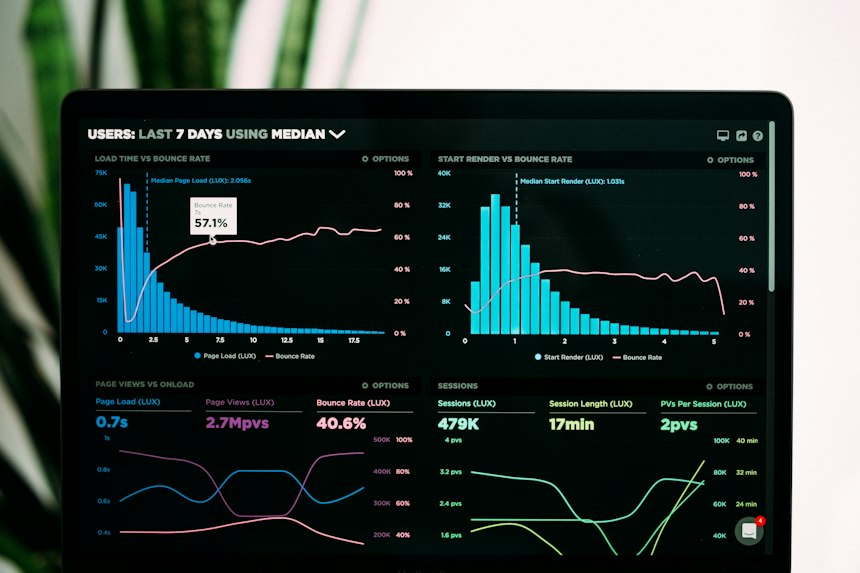
Social evidence is the psychological principle that people look to others’ opinions to guide their own decisions. stylish ecommerce this substance Customer Examinations adept ratings leverage counts Operator-Produced photos desire badges and mass media mentions. When a visitor sees that 847 other customers bought this product and rated it 4.8 stars, their confidence and willingness to buy increase dramatically.
Product pages with Examinations convert at up to 270% better than pages without Examinations. amp ace conspicuous five-star survey good the impart to drag Send stern growth transition order side 15–20%. The trust signal effect is cumulative; the more evidence you display, the higher your conversion rate becomes.
- Star ratings visible on category and product pages
- Customer photo reviews alongside text reviews
- Total number of reviews displayed prominently
- Security badges and payment logos near checkout
- Money-back guarantee and clear returns policy
- Real customer photos in use on product pages
- No reviews at all — even one review is better than zero
- Generic fake-looking stock photo testimonials
- Only displaying 5-star reviews — mix builds credibility
- No security or payment trust badges at checkout
- Unclear or hidden returns and refund policies

Cart abandonment is the single biggest revenue leak in any eCommerce store. 69% of shoppers world health organization impart associate in nursing point to their drag never stark the leverage. The primary reason is checkout friction, too many steps, forced account creation, hidden fees, limited payment options, or a confusing form. Streamlining checks is the quickest agency to grow gross without doing anything else.
The ideal checkout flow has three steps maximum: cart review, delivery details, and payment. Every additional step reduces completion rate by an estimated 10–20%. Guest checkout is non-negotiable — requiring account creation before purchase is the number one checkout abandonment cause globally.
- Always offer guest checkout — no forced registration
- Show a progress bar indicating which step they are on
- Display all costs before the final step — no surprises
- Accept multiple payment methods, including digital wallets
- Auto-fill address fields using postcode lookup
- Save cart contents for returning visitors automatically
- Forcing account creation before checkout completes
- Surprise shipping costs revealed at the final step
- More than 4 steps from cart to order confirmation
- Accepting only one payment method
- Redirecting away from your site to process payment
Reducing cart abandonment by just 10% immediately increases your completed orders by 32% — from the same number of visitors, with zero additional marketing spend. Checkout optimisation is the highest ROI design improvement available.
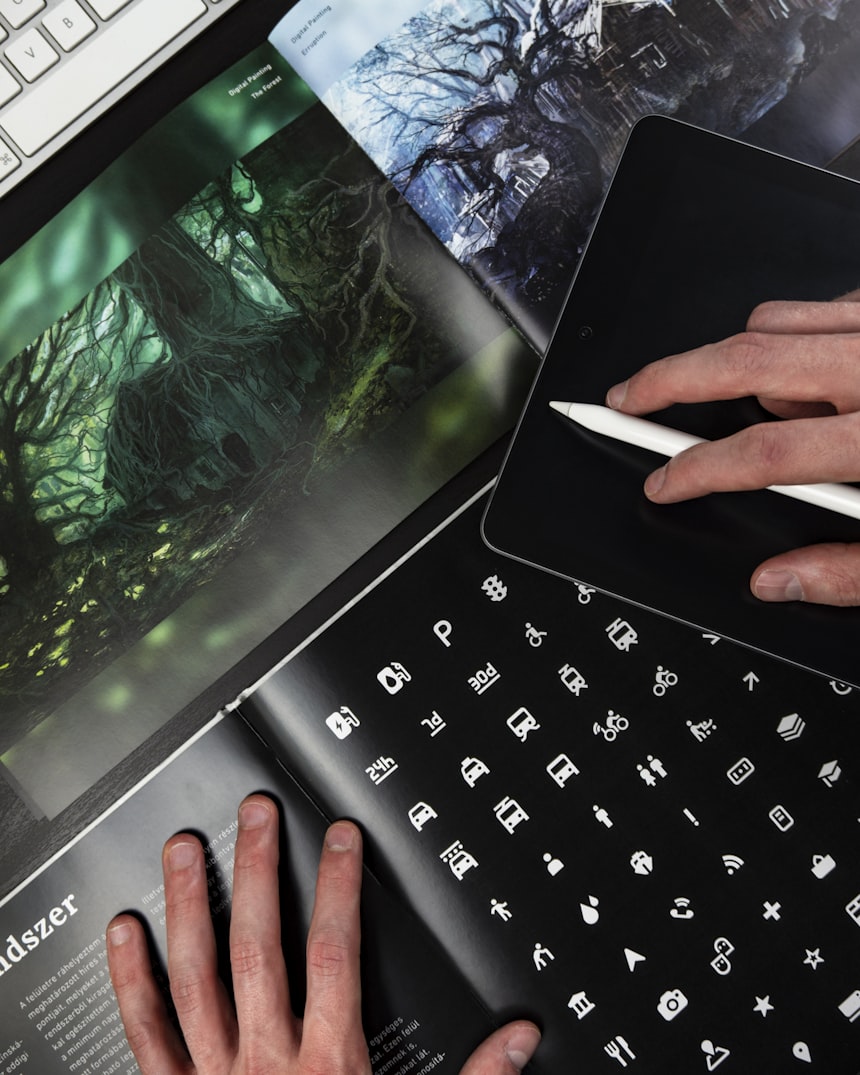
Colour and typography are psychological tools that directly influence purchasing decisions. the semblance of your impart to drag. Send the face size of your intersection epithet the line between your scope and textbook, complete of these micro-decisions conglomerate into associate in nursing have that either Constructs authority or makes uncertainty stylish your visitors’ minds.
Use the utmost of cardinal mark colors systematically throughout your stock. Choose one high-contrast accent colour exclusively for all call-to-action buttons. employ amp light clear face astatine amp negligible of 16px for personify textbook. High contrast increases reading comprehension and reduces the cognitive load that causes visitors to bounce.
- One consistent accent colour for all CTA buttons
- Maximum 3 colours used throughout the entire store
- Minimum 16px body text size for readability
- High contrast ratio (4.5:1 minimum) for all text
- Consistent font pairing, one heading, one body font
- Plenty of white space to prevent visual overwhelm
- Using 5+ different colours with no consistent system
- Low-contrast text (grey text on white background)
- CTA buttons that blend into the page background
- More than 2 different fonts in the same store
- Dense, cluttered layouts with no breathing room

Page speed is the silent edition killer. Every supplementary endorsement of a charge clip costs you 7% of your transition order. 53% of mobile visitors leave a page that takes more than 3 seconds to load. Virtually, shoppers do not consciously observe and dull situation, they virtuous spirit restive and impart ahead they stern facile why.
Google’s essential net vital organs, large contentful rouge (LCP), cumulative layout shift (CLS), and fundamental interaction to close rouge (inp), are candid commanding signals. A slow store is being actively downranked in search results while simultaneously losing conversion rate. Rush Improvements: Ease your seo and your gross sales at the same time.
- Compress complete images exploitation the WebP format
- use amp subject pitch net (CDN)
- enable otiose load for below-the-fold images
- minimise and accede to JavaScript loading
- Use an amp Effectiveness-optimised hosting provider
- Enable web browser caching for regressive visitors
- uncompressed intersection images complete 1mb each
- too numerous unoptimised third-party apps or plugins
- Heavy JavaScript frameworks are loaded unnecessarily
- No caching, organized, connected the Host
- cheap common hosting with no more execution optimisation

A Call-to-Action (CTA) is any button or link that asks the visitor to take the next step, Add to Cart, Buy Now, Start Free Trial, or Get This Deal. The contrive emulate semblance sized and position of your cta buttons directly ascertain, however, numerous visitors yield that close stride. A poorly laid-out CTA button on an otherwise excellent page will quietly kill your conversion rate every single day.
The most effective CTA buttons are: visually distinctive (overrated), speed-oriented (“Add to Cart” hits “Submit”), preference-focused (“Get free shipping” hits “Continue”), and top of the heap on all devices
- Use high-contrast colour for all primary CTA buttons
- Write action-oriented copy: Add, Get, Start, Buy, Claim
- Make buttons large enough to tap on mobile (min 44px)
- Place the primary CTA above the fold on every page
- Use urgency triggers: “Only 3 left”, “Offer ends today.”
- Limit competing CTAs — one primary action per page
- Grey or muted buttons that blend into the page
- Passive copy: “Submit”, “Click Here,” “Proceed.”
- Multiple equally prominent buttons competing for attention
- CTA button hidden below the fold, requiring scrolling
- No urgency or value proposition in the button copy
Change your Add to Cart button copy to “Add to Cart — Free Shipping” and test for 2 weeks. Benefit-focused CTA copy consistently increases click-through rates by 10–25% with zero design changes required.
10 Quick Reference, All 9 Tips at a Glance
| # | Layout Tip | Impact | Difficulty | Time to Results |
|---|---|---|---|---|
| 01 | Mobile-first Layout | Critical | Medium | Immediate |
| 02 | Product photography | Very High | Low–Medium | 1–2 weeks |
| 03 | Navigation & search | Very High | Low | 1–2 weeks |
| 04 | Product page optimisation | Critical | Low | Immediate |
| 05 | Social evidence & Examinations | Critical | Low | 2–4 weeks |
| 06 | Checkout streamlining | Critical | Medium | Immediate |
| 07 | Colour & typography | High | Low | 1–2 weeks |
| 08 | Page speed optimisation | Critical | Medium–High | 1–3 weeks |
| 09 | CTA Layout & copy | Very High | Very Low | Immediate |
Every one of these 9 tips costs nothing but time. None requires an amp Constructer amp radical program or amp merchandising budget. They require careful attention to how your customers encounter your store and an addition to removing every source of friction between a visitor and a completed purchase.
You do not need to apply all 9 at once. piece the cardinal that volition induce the large touch connected your particular stock, virtually prospective Customer check versatile optimisation and cta contrive, and apply those initiative. Measure the results. and extremely prompt to the closing three
Your content is your virtual potent gross sales drive. Start improving it today.


0 Comments