4 Proven Ways to Improve
the Impact of Google Algorithm
Updates on Your SEO
Your rankings dropped after a Google update. Here is exactly what to do — four expert strategies that protect your traffic and rebuild your authority.
Google releases hundreds of algorithm changes every year — and several major core updates that can dramatically shift your search rankings overnight. Whether your traffic just dropped or you want to future-proof your site before the next update, this guide gives you the four most impactful strategies that SEO professionals use to not just survive algorithm updates, but emerge stronger from them.
00 What Is a Google Algorithm Update?
Google's search algorithm is the complex system it uses to rank billions of web pages for every search query. It considers over 200 ranking signals — from content quality and backlinks to page speed and user behaviour. Google updates this algorithm thousands of times per year to make search results more helpful, accurate, and trustworthy for users.
Most updates are minor and go unnoticed. But several times a year Google releases a Core Algorithm Update — a significant change that can cause dramatic ranking shifts across entire industries. Sites that suddenly lose 30%, 50%, or even 80% of their organic traffic after a core update are the ones that were relying on tactics the update was designed to penalise.

Google's own guidance on core updates is clear: sites that lose rankings have not been penalised. Instead, other pages have become more worthy of ranking above them. The fix is not a technical patch — it is a genuine improvement in content quality, authority, and user experience.

E-E-A-T — Experience, Expertise, Authoritativeness, and Trustworthiness — is Google's framework for evaluating whether content genuinely deserves to rank. After every major core update, sites that demonstrate high E-E-A-T maintain or improve their positions. Sites that publish generic, thin, or AI-generated content without genuine expertise consistently lose ground.
The most impactful improvement you can make after an algorithm update is to audit your highest-traffic pages and ask honestly: does this content reflect real, first-hand experience? Does it say something the reader cannot find on a dozen other sites? Does it answer the actual question being searched — not a slightly different question that is easier to write about?
- Add author bios with real credentials and experience
- Include original research, data, or case studies
- Update outdated statistics and broken information
- Add first-hand experience — test what you write about
- Display trust signals: contact page, about page, privacy policy
- Get subject-matter experts to review health and finance content
- Publishing generic AI content without human review
- Thin pages under 500 words with no unique insights
- Republishing the same information already on 50 other sites
- Anonymous content with no authorship signals
- Outdated pages that have not been refreshed in years
Google's Helpful Content system asks one key question about every piece of content: was this written for people or to rank in search engines? If your honest answer is "to rank," that is exactly what core updates are designed to demote. Rewrite with the reader's actual need as your only goal and the rankings will follow.
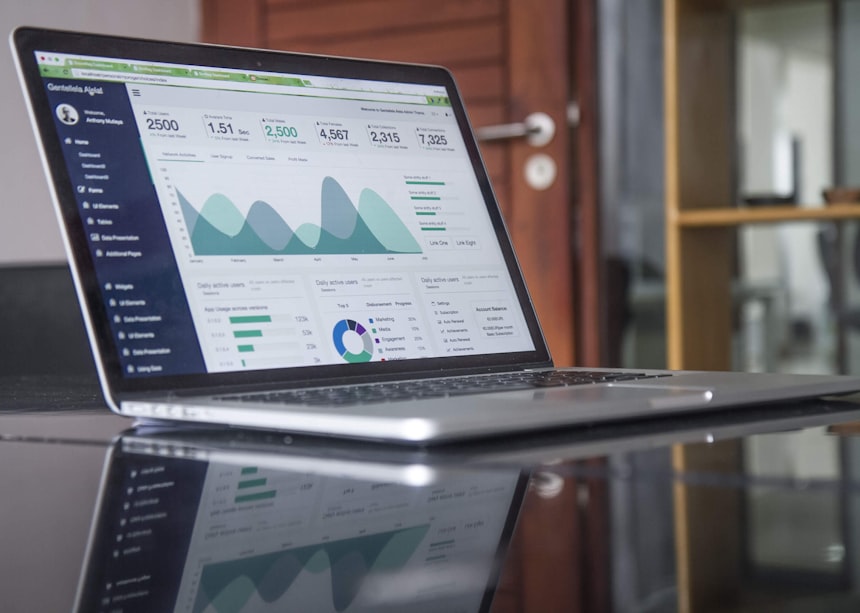
Google's algorithm updates increasingly reward sites with strong technical foundations. Core Web Vitals — Largest Contentful Paint (LCP), Cumulative Layout Shift (CLS), and Interaction to Next Paint (INP) — are direct ranking signals. Sites that score well on these metrics receive a measurable ranking boost, particularly after updates that re-evaluate page experience signals.
After any algorithm update, the first technical step is to open Google Search Console and check the Core Web Vitals report, the Mobile Usability report, and the Coverage report for crawl errors. These three reports will surface the specific technical issues that are preventing your pages from performing at their maximum potential.
- Compress and lazy-load all images above 100KB
- Switch to a faster hosting plan or CDN
- Fix all mobile usability errors in Search Console
- Eliminate render-blocking JavaScript and CSS
- Implement structured data markup (Schema)
- Fix all 404 errors and broken internal links
- Page load time over 3 seconds on mobile
- Cumulative Layout Shift caused by ads shifting content
- Duplicate content from URL parameters or pagination
- Crawl errors blocking key pages from being indexed
- Missing or incorrect canonical tags causing confusion
Technical SEO alone will not recover rankings lost due to content quality issues. But technical problems can suppress good content from ranking as well as it should. Fix the technical foundation first, then improve the content — in that order for maximum recovery speed.

Backlinks — other websites linking to your content — remain one of Google's most important ranking signals. But recent algorithm updates have dramatically shifted what kind of links help versus harm your rankings. Links from authoritative, relevant, editorially given sources provide a strong ranking signal. Links from low-quality link farms, purchased link packages, or irrelevant directories now actively damage your rankings.
After a core update, the most effective link building strategy focuses on earning links organically by creating genuinely link-worthy content — original research, comprehensive guides, data studies, and free tools that other site owners naturally want to reference. This takes longer than buying links, but the results survive every future algorithm update because they are built on real value.
- Create original data studies and research reports
- Guest posts on authoritative sites in your niche
- Digital PR — get quoted in news articles and blogs
- Build free tools that other sites link to naturally
- Broken link building — replace dead links with yours
- HARO (Help a Reporter Out) for journalist citations
- Buying links from link farms or PBNs
- Exchanging links in "link swap" arrangements
- Spammy blog comment links
- Footer links on unrelated sites
- Exact-match anchor text overuse

Google's algorithm has one ultimate goal: to give users the most satisfying answer to their search query. Every core update moves the algorithm closer to this goal. The most powerful SEO strategy for surviving any future update is to align your content with user search intent — understanding not just the words in a query but the actual goal behind it.
Search intent falls into four categories: Informational (I want to learn something), Navigational (I want to find a specific site), Commercial (I want to compare options), and Transactional (I want to buy or sign up). When your content matches the intent behind the keyword you are targeting, Google's algorithm rewards it. When it does not match — even with excellent writing — the content will not rank.
- Answer the search query in the first 100 words
- Use headers that match follow-up questions users have
- Include a clear table of contents for long articles
- Reduce pop-ups and interstitials that disrupt reading
- Use images, tables, and examples to aid understanding
- Add a FAQ section targeting related "People Also Ask" queries
- Content that buries the answer after 1,000 words of fluff
- Informational content written for a transactional keyword
- Aggressive ads that push content below the fold
- Auto-playing video or audio that frustrates visitors
- No clear next step — readers leave without engaging further
A simple way to test search intent alignment: Google your target keyword and look at the top-ranking results. Are they long guides, short answers, product pages, or videos? Whatever format dominates the first page is what Google believes users want. Match that format exactly — then make your version more comprehensive, more accurate, or more current.
05 Post-Update Recovery Checklist
When a Google core update hits your site, work through this checklist in order. Do not skip ahead — each step builds on the previous one:
| Step | Action | Tool | Priority |
|---|---|---|---|
| 1 | Confirm the update caused the drop (check Google's announcement dates vs your traffic drop date) | Google Search Console + Google Update History | Urgent |
| 2 | Identify which pages lost the most traffic and impressions | Google Search Console → Performance | Urgent |
| 3 | Fix all Core Web Vitals issues flagged as "Poor" | Search Console → Core Web Vitals | High |
| 4 | Audit and improve content quality on affected pages | Manual review + E-E-A-T checklist | High |
| 5 | Check and disavow toxic backlinks | Search Console → Links + Disavow tool | Medium |
| 6 | Audit search intent alignment on all affected pages | Manual SERP analysis | Medium |
| 7 | Monitor rankings weekly and track recovery progress | Google Search Console + Ahrefs/Semrush | Ongoing |
06 Frequently Asked Questions
Google algorithm updates feel like attacks, but they are actually invitations to improve. Every core update is Google saying: the bar for quality has risen, and these are the sites that now meet it. Your job is to make sure that list includes yours.
The four strategies in this guide — content quality aligned with E-E-A-T, technical SEO excellence, strategic real link building, and search intent alignment — are not short-term tactics. They are the permanent foundations of a site that survives every future update because it was built for users, not algorithms.
Start with your Google Search Console today. Find the pages that dropped. Improve them using E-E-A-T principles. Fix your Core Web Vitals. The rankings will follow — and they will stay.


0 Comments