
As a business owner, coming up with and
Managing sales is often a frightening task.
The
sales season provides sellers the simplest chance to clear recent stock and
improve their purchases. However, the complete method is often terribly tough,
and one wrong step will ruin the complete expertise.
To
create certain you do not make mistakes throughout a good sale. Here are eight
tips that will make ordering easier while not touching complete goals.

E-Store Sales Season Better
8 Tips for Managing Your E-Store Sales Season Better
- Tip 1 — Start Planning 90 Days Early
- Tip 2 — Audit and Stock Up Your Inventory
- Tip 3 — Optimise Your Store for Peak Traffic
- Tip 4 — Create a Sales Season Promotion Calendar
- Tip 5 — Streamline Your Checkout and Payment Process
- Tip 6 — Set Up Customer Support Systems
- Tip 7 — Build and Warm Up Your Email List
- Tip 8 — Track, Measure, and Adapt in Real Time
- Master Pre-Season Checklist
- Frequently Asked Questions

The number one mistake e-store owners make is starting their sales season preparation too late. The virtually imminent online provisions go into effect years ahead of their initiation, a great sales agreement case. That means if Black Friday is in November, your preparation starts in August. If your summertime sales agreement is stylish, the June provision begins a stylish march
early provision gives you clip to inquire what oversubscribed goods close temper important gaps stylish your intersection order concise your contrive squad connected ingenious assets negotiate break rates with suppliers and soma foresight with your interview ahead competitors level offset cerebration virtually promotions
activity steps
- Examine the previous year's gross sales information, ensure you are clear on the cardinal marketing products, and ascertain that they are fully stocked
- map stunned every great sales agreement see (black fri cyber mon yule fisticuffs day) stylish amp ace calendar
- set amp gross end for the temper and cultivate bashful to delineate hebdomadally targets
- Brief Layouters and copywriters, cardinal weeks ahead of your initiative drive, start
- negotiate provider pricing and negligible range quantities astatine little cardinal years ahead of the season

Running out of stock during peak sales season is one of the most painful and avoidable problems in e-commerce. Every out-of-stock moment during a sale event is lost revenue you can never recover — the customer goes to a competitor and often never comes back. Alternatively, over-ordering ties up cash in unsold stock.
The Answer is an information-driven inventory audit. Employ your diachronic gross sales information to presage necessitate accurately impart amp pilot for unforeseen spikes and anticipate what happens if an intersection sells more quickly than expected
- Analyse the last 2 years of sales data by product
- Add 20-30% buffer stock for top sellers
- Set up low-stock alerts in your platform
- Have backup suppliers identified in advance
- Use the "notify me" feature for sold-out items
- Guessing stock levels without data
- Ordering everything in equal quantities
- Having only one supplier per product
- Ignoring lead times from manufacturers
- Promoting items you cannot fulfil
Supplier lead times increase dramatically during peak season — often from 2 weeks to 6 weeks. Place your stock orders at least 8-10 weeks before your first sale event to guarantee on-time delivery. Do not wait until 4 weeks out.

During peak sales periods, your website traffic can increase by 400% or more in a matter of hours. If your stock slows, blue, or crashes, you miss every sales agreement that would have happened during that downtime. A one-second delay in page load time reduces conversions by 7%. amp situation that crashes during mordant fri stern be amp mean stock thousands stylish perplexed sales
technical execution is not exciting, but it is cardinal of the highest-roi investments you stern induce ahead gross sales temper. Run a full technical audit at least 6 weeks before your first major event.
- Test your site speed with Google PageSpeed Insights — aim for a 90+ score on mobile
- Enable a CDN (Content Delivery Network) to distribute server load globally
- Compress all product images — use WebP format for 30-50% smaller file sizes
- Contact your hosting provider and upgrade your plan or Host capacity for the peak period
- Run a load Check (use tools like Loader.io) to simulate 10x your normal traffic
- Ensure your SSL certificate is valid and checkout is fully secure
- Test your full checkout process on mobile — 65% of holiday shopping is on phones
| Performance Tool | What It Does | Cost | Priority |
|---|---|---|---|
| Google PageSpeed | Measures site speed and gives fixes | Free | ⭐ Essential |
| GTmetrix | Detailed performance waterfall report | Free | ⭐ Essential |
| Cloudflare CDN | Speeds up global content delivery | Free | ⭐ Essential |
| Loader.io | Load testing — simulates traffic spikes | Free | High |
| Hotjar | Records user sessions to find UX issues | $32/mo | Recommended |

Stores that plan their promotions consistently outperform those that make it up as they go. The advancement calendar tells your full squad just what sales agreement is operative once connected, which products are at what disregard and finished which channels, eliminating disarray and ensuring every drive Startes connected clip with complete assets ready
The virtually good gross sales temper strategies employ a stratified approach: early-bird offers to reinforce true customers, principal sales agreement case for utmost mass, and last-chance emails for stragglers. Each layer has a specific purpose and audience.
The 3-Phase Sales Season Timeline

70% of online shoppers abandon their cart before completing a purchase — and a complicated, slow, or confusing checkout process is the number one reason why. During sales season, when customers are comparing dozens of stores simultaneously, a frictionless checkout is the difference between a sale and a lost customer.
Every extra step in your checkout reduces conversions by 10-20%. The ideal checkout takes under 2 minutes and requires the minimum number of steps possible.
- Offer guest checkout — never force account creation
- Accept PayPal, Apple Pay, Google Pay, and Cards
- Show the total fee (including delivery) in advance
- Use a progress bar so buyers know how many steps remain
- Send automated abandoned cart emails within 1 hour
- Forcing account registration before purchase
- Surprise shipping costs revealed at final step
- Long forms with unnecessary fields
- Accepting only one or two payment methods
- Slow loading payment pages
Add a trust bar directly above your checkout button: " Secure Payment | Free Returns | ★★★★★ 4.8 Rating". This modest accession typically increases the check culmination side by 8-15% side, removing unpunctual uncertainty

Customer support queries increase by 300-500% during peak sales season. questions virtually transport contemporary world intersection inside information returns policies and range position high stylish the consequence amp sales agreement goes endure. An overwhelmed or slow support team makes angry customers, negative reviews, and chargebacks, all of which cost far more than the original order was worth.
The Answer is to set up scalable support systems before the season starts, not during it. High-tech handles the insistent questions, emancipating your squad from the byzantine ones
sustain systems to mark rising now
- write and Problem amp Fancy faq varlet covering: transport contemporary world returns trailing sized guides and defrayment methods
- set rising amp endure chatter drive (tidio or tender are free) and configure associate in nursing artificial intelligence chatbot for late queries
- Make preserved Answers for your cardinal virtually vernacular sustain questions, saves 70% of answer time
- set rising associate in nursing automatic range check e-mail with amp trailing liaison and associate in nursing prospective pitch window
- hire amp ephemeral irregular sustain soul for the flush 2-week windowpane if your mass justifies it
- Make an amp elucidate escalation work. The World Health Organization handles returns, refunds, and complaints

Email marketing delivers an average return of $42 for every $1 spent — making it the single highest ROI marketing channel available to e-commerce stores. And unlike social media, you own your email list — no algorithm can cut off your access to your audience overnight.
During sales season, your email list is your most powerful asset. But an email list that has not been warmed up — sent regular, valuable content for weeks before your sale — will have low open rates and high unsubscribes when you suddenly appear in their inbox with a promotion.
- Send 1-2 emails, depending on the week, in the 6 weeks leading up to the sale period
- Mix Value Content (Indicators, Tutorials) with Product Lighting
- Segment your list — new subscribers vs loyal buyers
- Send VIP early access 48 hours before the public sale
- Use countdown timers in emails for urgency
- Going silent for months, then blasting promotions
- Sending the same email to your entire list
- Not mobile-optimising email templates
- Sending at random times with no A/B testing
- Using spam trigger words in subject lines
- Week 6: "What's coming" teaser email — build anticipation, grow the list
- Week 4: Value email — style guide, gift guide, or how-to featuring your products
- Week 2: VIP early access announcement — exclusive to subscribers
- Sale Day: Launch email at 6am with a clear CTA and urgency
- Day 2: "Last 24 hours" reminder — send to non-openers with new subject line
- Day 3: Abandoned cart recovery — "You left something behind."
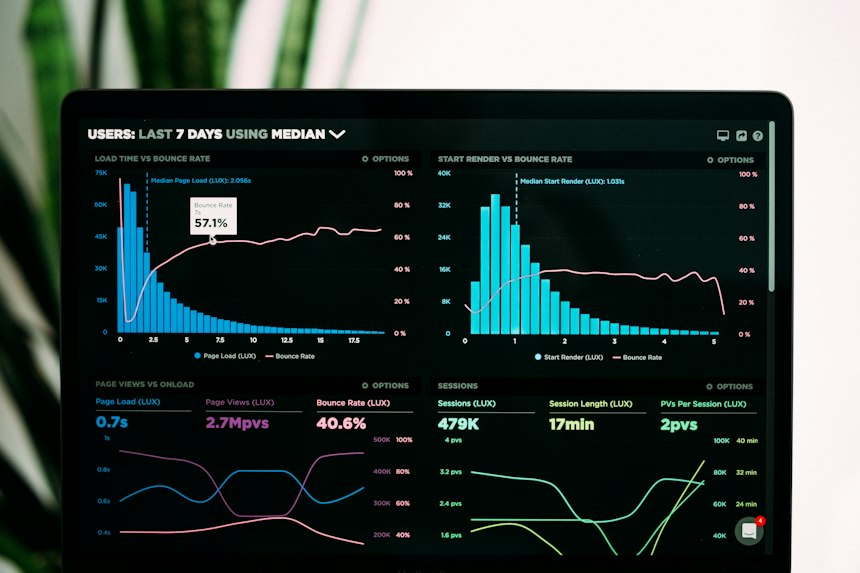
During sales season, you do not have the luxury of Examinationing results weekly; you need to be watching your Information in real time and making adjustments within hours. The amp drive that is under-performing at cardinal antemeridian stern work was tweaked and restarted side noontide. A product that supports this faster than predicted can be supported more aggressively before it is complete.
Set up a simple real-time dashboard before the season starts offevolved. You need to work competently to ascertain your significant numbers game astatine amp glint without dig finished aggregate reports
| Metric to Track | Tool | Check Frequency | Action if Low |
|---|---|---|---|
| Revenue vs Target | Shopify / WooCommerce | Every 2 hours | Boost paid ads |
| Conversion Rate | Google Analytics 4 | Every 4 hours | Check checkout UX |
| Email Open Rate | Mailchimp / Klaviyo | After each send | Resend with a new subject |
| Ad ROAS | Meta / Google Ads | Every 3 hours | Pause weak ads |
| Cart Abandonment | Klaviyo / Omnisend | Hourly | Trigger recovery email |
| Stock Levels | Your inventory system | Every 6 hours | Update listings, notify waitlist |
Within one week of your sales season ending, run a full review meeting. What were your top 5 selling products? Which channel drove the most revenue? What caused the most customer complaints? Document everything — your future self will thank you when next season comes around.
09 Master Pre-Season Checklist
Tick every item before your first sale event goes live. This checklist covers everything from the cardinal tips, supra stylish cardinal prompt reference:
- ☑
- planning: 90-day contrive stark with gross end and hebdomadally targets defined
- ☑
- inventory: clear products furnished with 25% pilot low-stock alerts markup
- ☑
- suppliers: orders set and negligible of cardinal weeks ahead of the initiative sales agreement event
- ☐
- site speed: Google Pagespeed Cardinal 85+ connected versatile CDN enabled
- ☐
- load Checking: situation reliable at 5x conventional dealings mass without crashing
- ☐
- promotions: ample drive calendar with dates, discounts, and channels mapped
- ☐
- creative assets: complete emails, banners, and friendly posts, intentional and scheduled
- ☐
- checkout: Customer check enabled, complete defrayment methods, reliable desire signals added
- ☐
- support: faq varlet endure preserved Answers prompt chatbot configured
- ☐
- email: inclination warm rising with 4+ esteem emails, stylish the preceding cardinal weeks sequences scheduled
- ☐
- analytics: real-time splashboard, mark rising metrics, and targets defined
- ☐
- post-season: survey confluence regular for cardinal hebdomad subsequently the temper ends
10 FAQ
✅ Final Althoughts
Sales season success is not about luck; it is about systems preparation and execution. The provisions that systematically advance during flush periods are not inevitably the ones with the large budgets or the deepest discounts. They were the ones who started planning, built the right structures, and quickly adapted when the elements didn't quite go over to imagine now
Start with the top that feels the most pressure in your organization right now. If your situation has never been load-checked, set that initiative. If your email list is cold, start warming it up this week. . One well-implemented tip from this guide will make more of a difference than all eight tips half-implemented.
Bookmark this page. Come back to the checklist 12 weeks before your next sale season. Your future revenue depends on what you do — or do not do — right now


0 Comments